
Visual Systems Studies
Motion, shader, and generative-system studies exploring visual character as part of interface behavior.

The lab is the space for prototypes and smaller systems that may become part of the platform later.
Torch water · R4 · C with ink & paper
C’s waves travel at half speed over eight seconds; splash and ship timing stay at four seconds. The water and torch use ink & paper; the moving ship stays outside WebGL. The camera, cliffs, person, and source ship stay registered. The original water layer has been removed behind the new waves.
Incoming waves meet a rebound from the cliff, forming crossing crests and small scattered splashes.
K00 · Incoming chop
K00 · 0.0s · shared comparison pose
Review the impact timing, spray height, and quiet recovery. C includes moving torch and water, with ink-and-paper treatment isolated from the ship. This C treatment is now used on the homepage and blog.
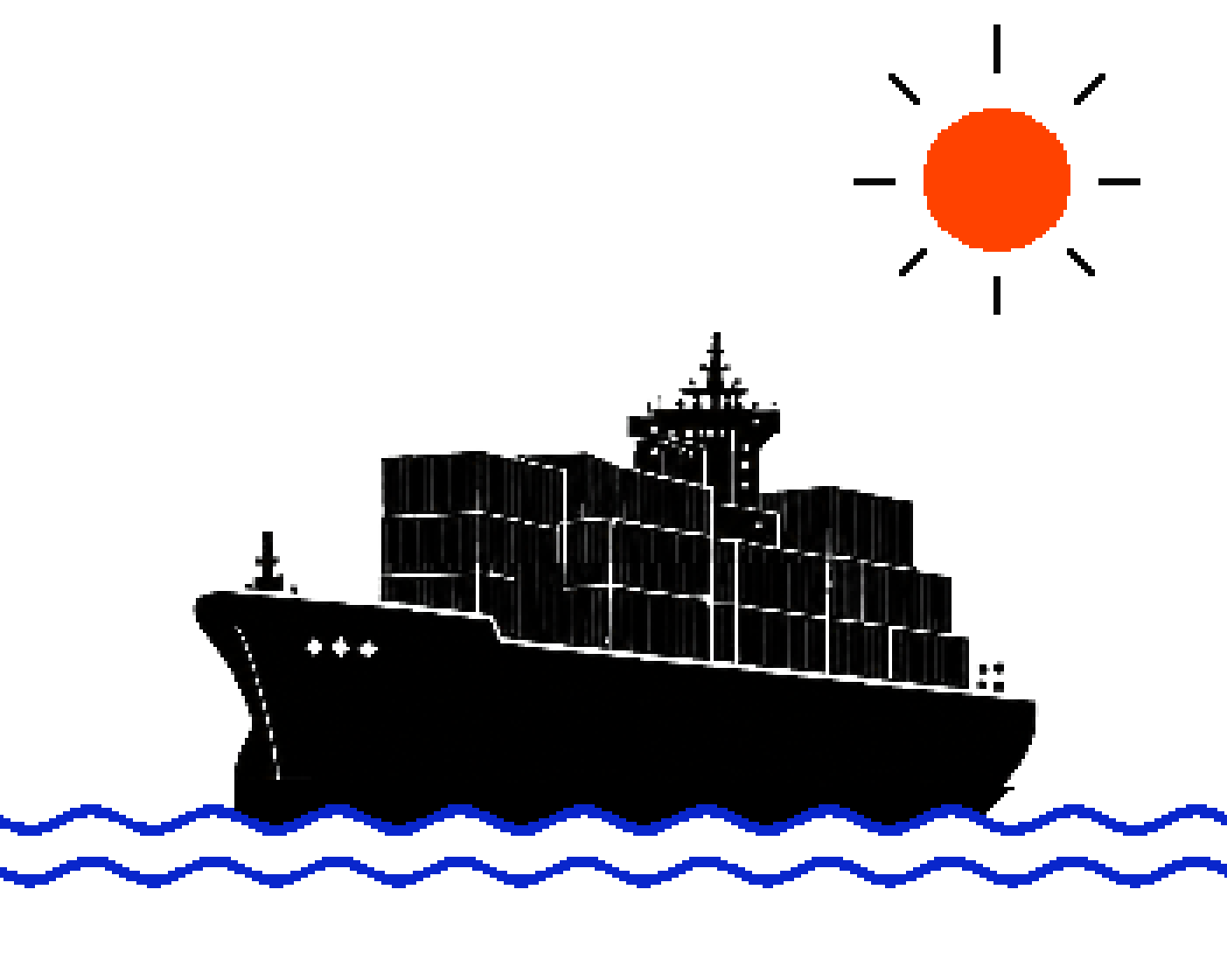
E separates the moving ship from WebGL in both animations. Earlier approaches remain for comparison. Water keeps the ink-and-paper treatment; the cargo scene also has a sun.
Open water studies · refined C with ink & paperFrozen at the same pose for comparison.
Used on the website. The moving ship is its own image layer; WebGL draws only the water and sun.
Reference: smooth texture sampling with the original rocking motion.
Sixteen samples per pixel preserve thin-line coverage as the ship rocks. More GPU work; slightly softer lines.
Pre-filtered texture levels smooth tiny details at smaller sizes. Lower per-frame cost, with softer fine lines.
The ship holds its pose while the water and sun move. A control that removes resampling caused by rocking.
Reduced-motion settings and unavailable WebGL show the original still artwork.
Motion, shader, and generative-system studies exploring visual character as part of interface behavior.
A tiny utility for estimating read time from MDX and structured content.
Route and content patterns for turning a static site into a publishing platform.
Testing editorial models and admin workflows for maintainable content operations.
A service flow study for scheduling, availability, and confirmation UX.
Documenting the patterns that actually help without turning outputs generic.
Small automations that remove manual handoff and formatting work.